Image
Image
Image
Image
Talk Program on Save the Himalayas: Learning from the Rasuwa Mega Disaster
Protecting the environmentLocation
Institute of Engineering and Everest Engineering College
Date
September, 2026-27
Beneficiaries
140
Rotarian Involvement
23
Non-Rotarian
120
Project Details
Club
Yala
Month
September
Fiscal Year
2026-27
Category
Protecting the environment
Project Description
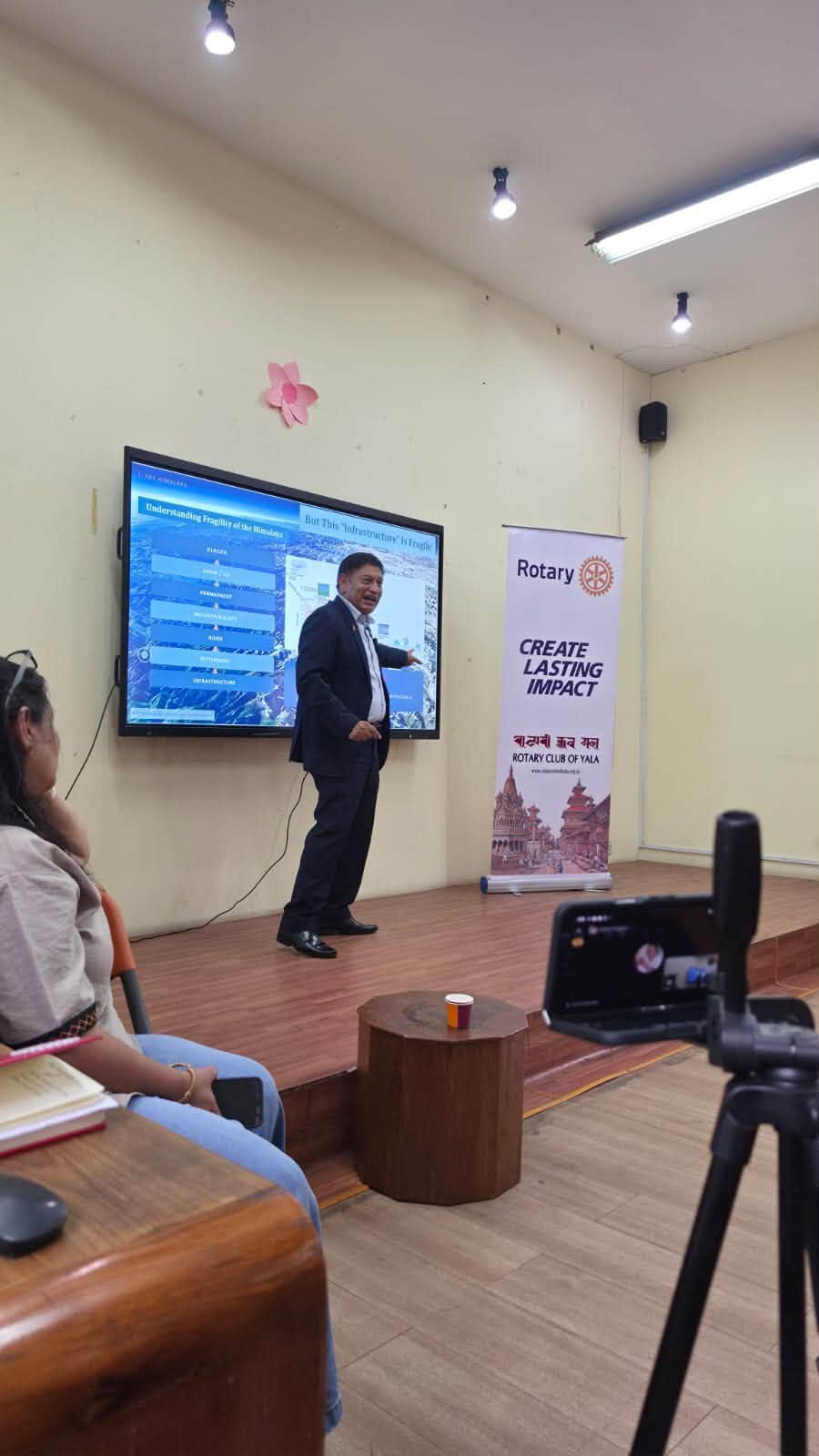
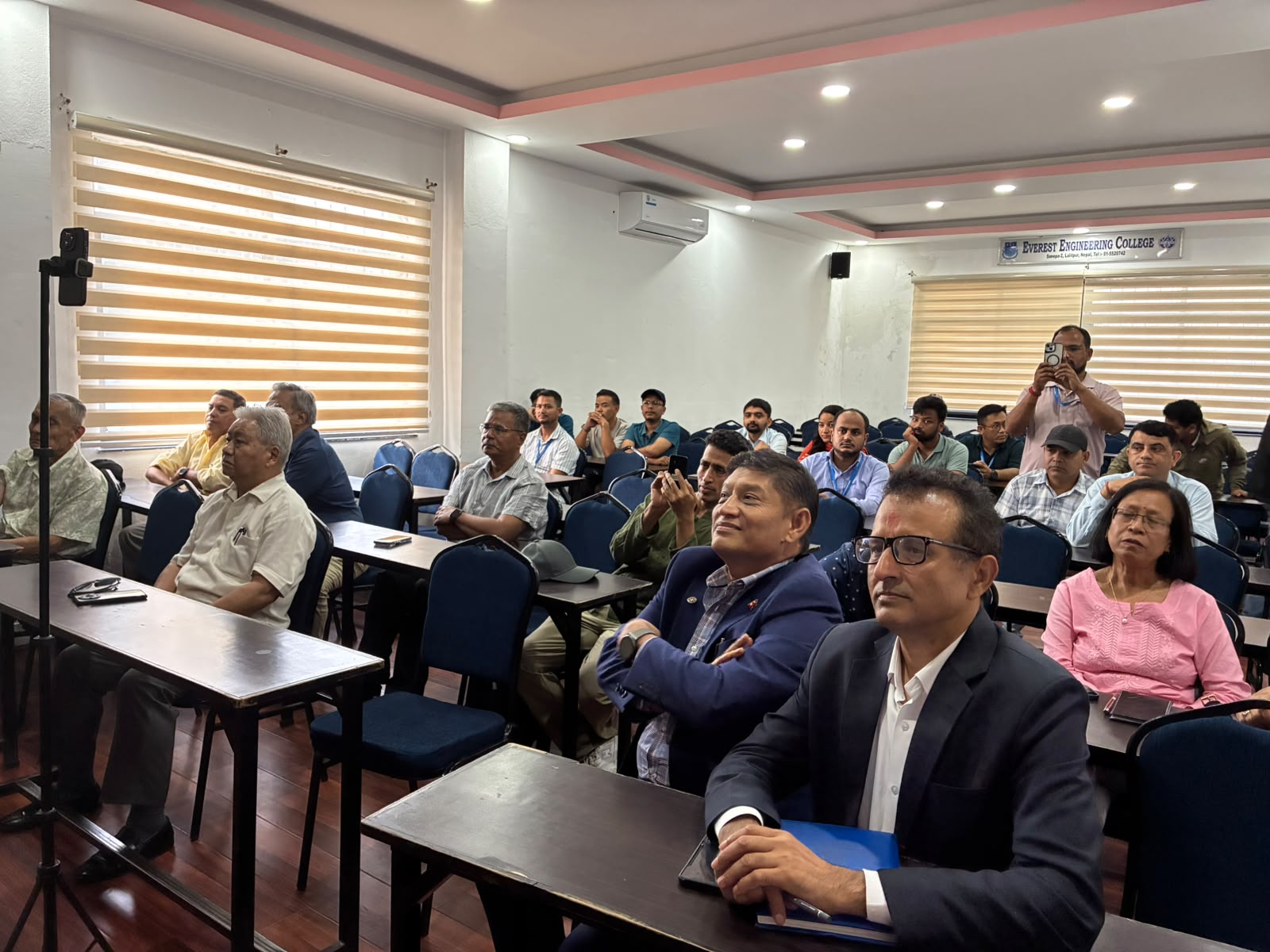
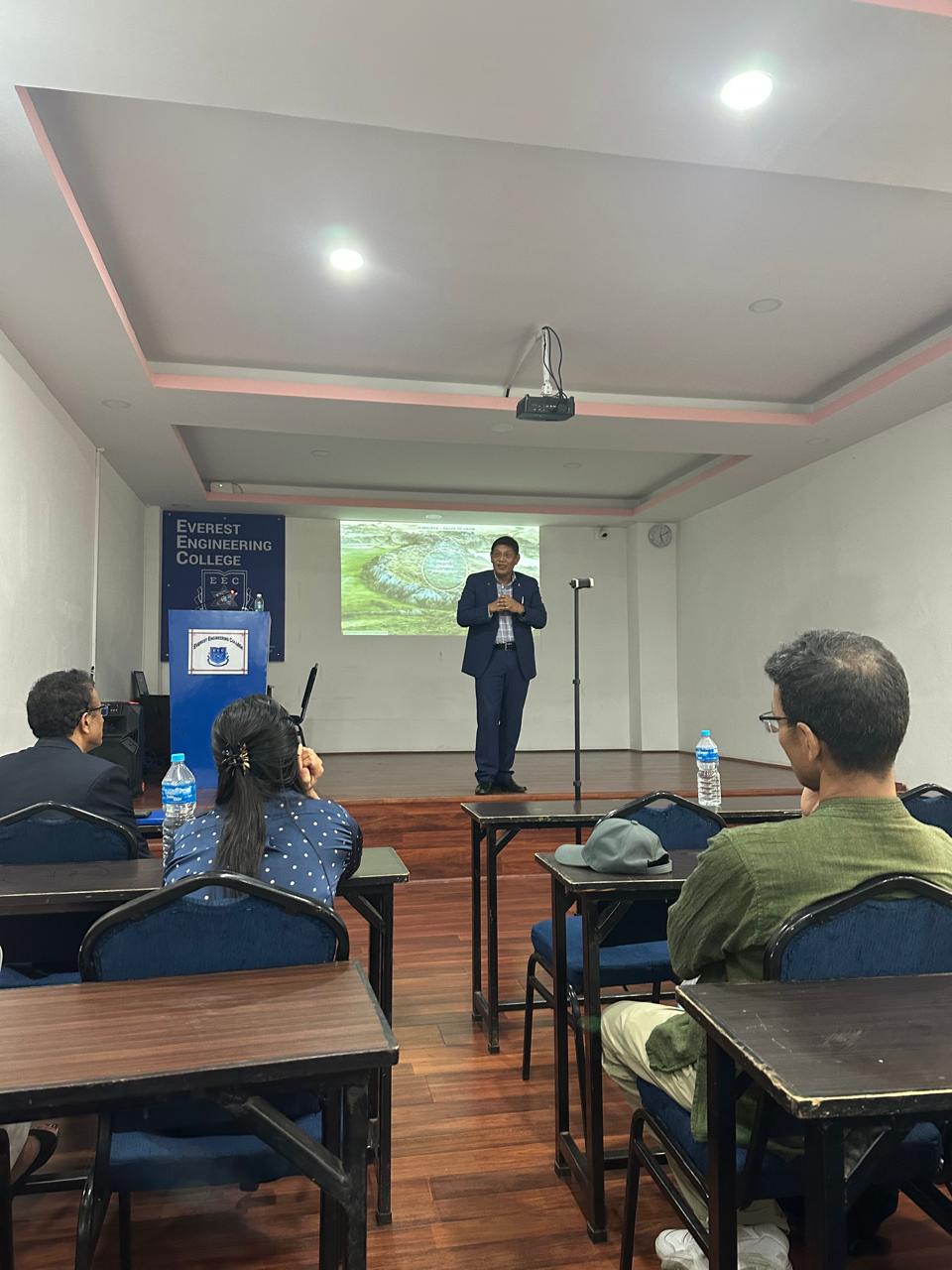
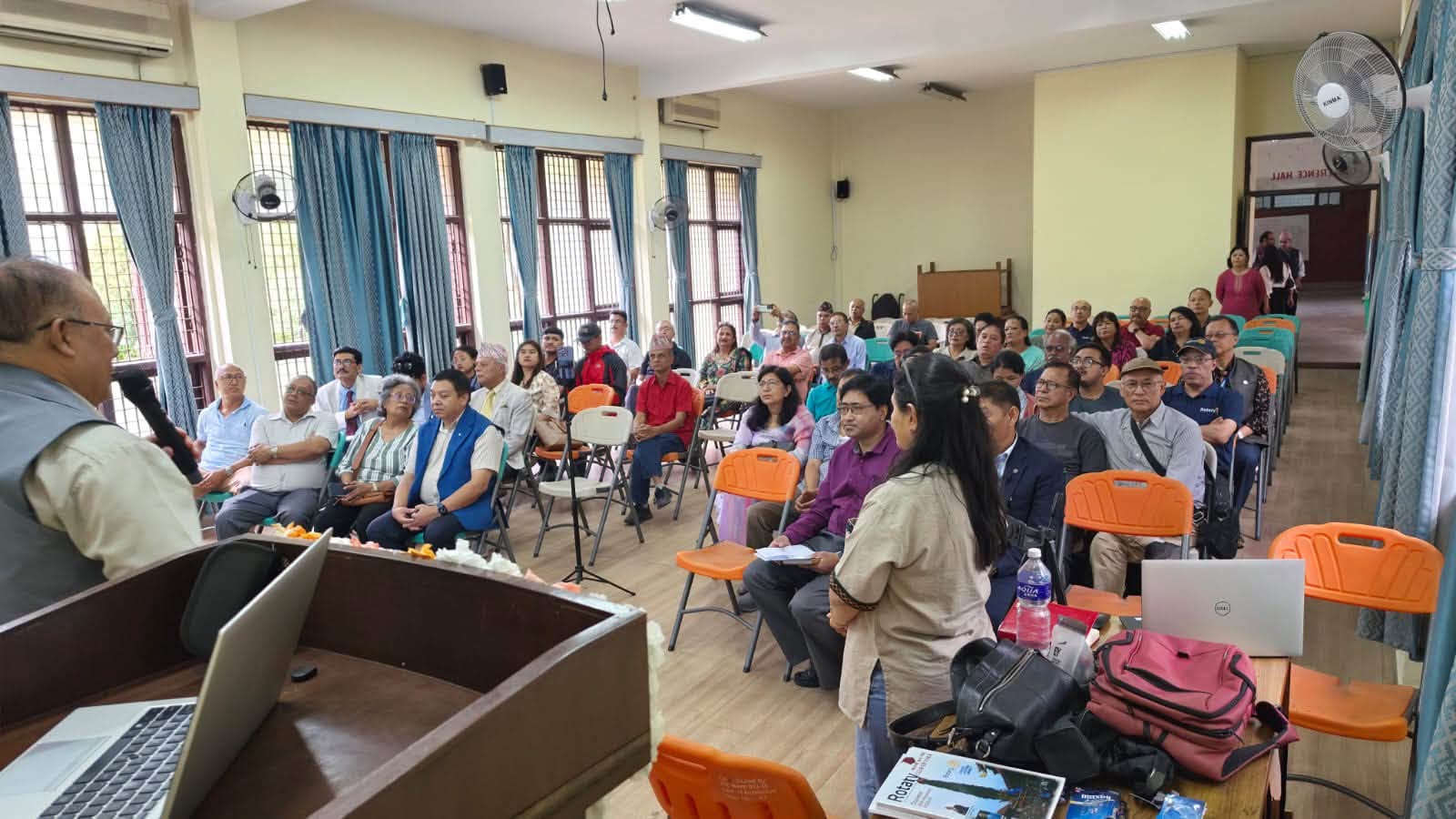
The Rotary Club of Yala organized a series of insightful talk programmes from Rtn. Basanta Raj Shrestha, former Director of ICIMOD, focusing on the Rasuwa Mega Disaster, Himalayan vulnerability, disaster preparedness, resilient infrastructure, and the future of the Himalayas.
The first programme was organized in association with the Institute of Engineering (IOE), Pulchowk Campus, on 10 September 2026, followed by another programme at Everest Engineering College, Sanepa, on 15 September 2026, in association with the Rotary Club of Yala.
Rtn. Shrestha presented evidence of weakening Himalayan mountains, thawing permafrost, flood-induced toe cutting and increasing slope instability, expanding glacial lakes, and declining snow cover associated with rising temperatures.
A key focus was the “Build Back Safer” approach, supported by the following frameworks:
• 3P Preparedness Model — KNOW, WATCH, ACT: Promoting hazard mapping and knowledge, continuous monitoring, and rehearsed early-warning responses to shift from reactive relief to proactive disaster management.
• 6R Recovery Strategy — Rescue, Relief, Reconstruction, Recovery, Revival and Resilience: Providing a structured pathway from immediate response to long-term community resilience.
• Infrastructure & Policy: Emphasizing risk-informed land-use planning, restricting development in high-risk river corridors, and adopting safer, more resilient infrastructure standards.
• Tech & Tran boundary Action: Proposed developing a dedicated Himalayan Artificial Intelligence System for predictive warnings and stressed the need for regional data sharing across shared river basins.
With more than one billion people downstream dependent on the fragile Himalayan ecosystem, the programmes highlighted how glacier retreat, permafrost thaw, and intense rainfall can trigger cascading hazards affecting communities, roads, hydropower and other critical infrastructure.
The first programme was organized in association with the Institute of Engineering (IOE), Pulchowk Campus, on 10 September 2026, followed by another programme at Everest Engineering College, Sanepa, on 15 September 2026, in association with the Rotary Club of Yala.
Rtn. Shrestha presented evidence of weakening Himalayan mountains, thawing permafrost, flood-induced toe cutting and increasing slope instability, expanding glacial lakes, and declining snow cover associated with rising temperatures.
A key focus was the “Build Back Safer” approach, supported by the following frameworks:
• 3P Preparedness Model — KNOW, WATCH, ACT: Promoting hazard mapping and knowledge, continuous monitoring, and rehearsed early-warning responses to shift from reactive relief to proactive disaster management.
• 6R Recovery Strategy — Rescue, Relief, Reconstruction, Recovery, Revival and Resilience: Providing a structured pathway from immediate response to long-term community resilience.
• Infrastructure & Policy: Emphasizing risk-informed land-use planning, restricting development in high-risk river corridors, and adopting safer, more resilient infrastructure standards.
• Tech & Tran boundary Action: Proposed developing a dedicated Himalayan Artificial Intelligence System for predictive warnings and stressed the need for regional data sharing across shared river basins.
With more than one billion people downstream dependent on the fragile Himalayan ecosystem, the programmes highlighted how glacier retreat, permafrost thaw, and intense rainfall can trigger cascading hazards affecting communities, roads, hydropower and other critical infrastructure.
Project Costs
| Description | Amount (NPR) | '\\Tea/coffee | Rs. 4,000.00 | 'Total | Rs. 4,000.00 |
|---|